Car Maintenance in Sharjah
Use this page to review service indicators, inspection points, and possible maintenance choices related to Car Maintenance. Vehicle specifications and inspection findings should guide the next step.
What to look for
Dashboard Warning Lights
Check-engine, oil, or brake indicators illuminated
Unusual Noises
Knocking, squealing, or grinding from engine, belts, or brakes
Decreased Fuel Efficiency
Noticeable drop in mileage
Rough Idling or Stalling
Engine hesitation or misfires
Pulling or Vibration
Steering wheel drift or shakes at speed
How the work is assessed
Scheduled Preventive Services
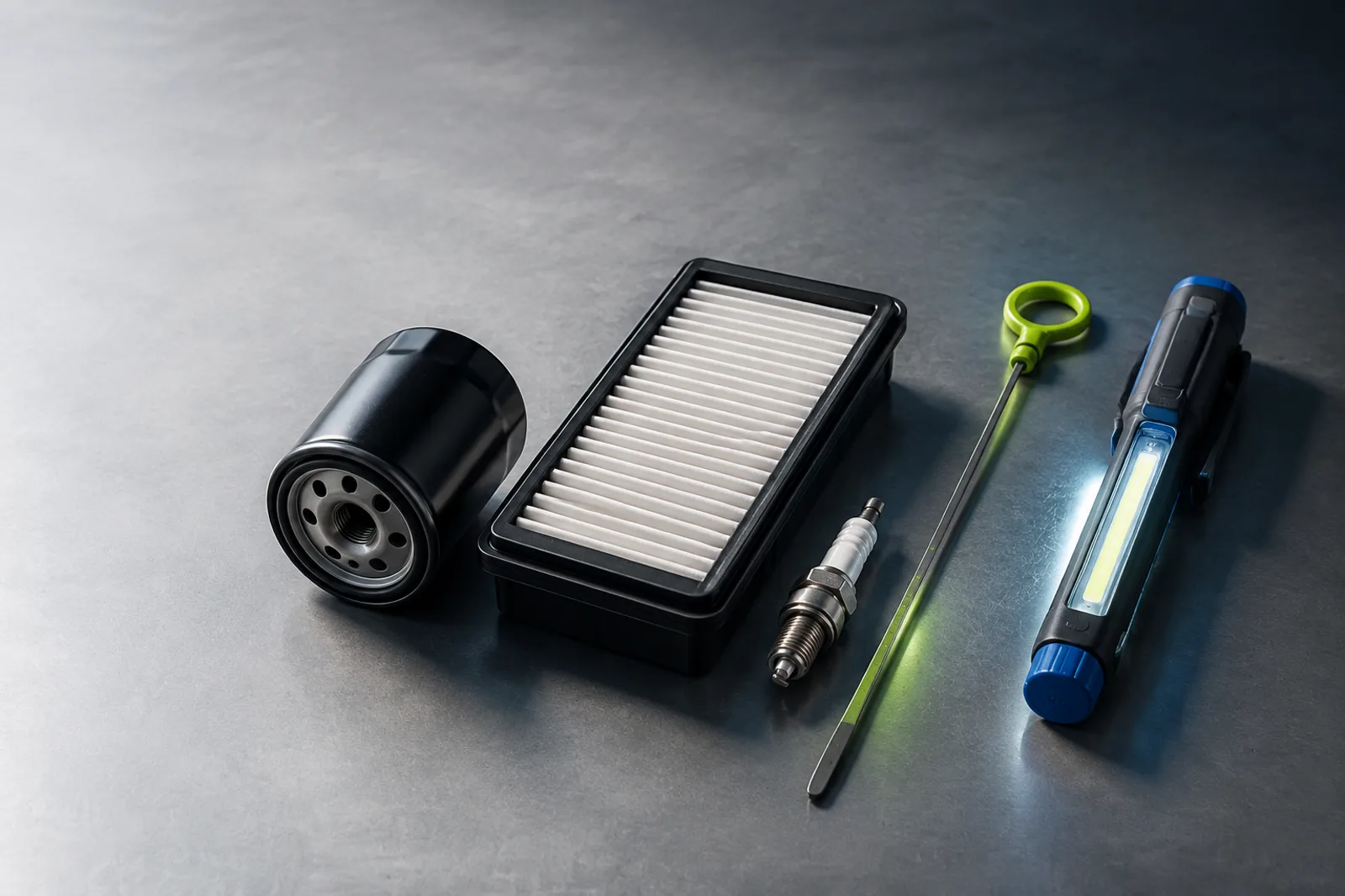
Scheduled preventive services include an oil and filter change, as well as a brake pad and rotor check to ensure safe stopping performance. Fluids such as coolant, brake, power steering, and transmission are topped off or flushed as needed. Belts and hoses are carefully inspected for wear or damage. The air and cabin filters are replaced to maintain air quality and engine performance, and the battery is tested with its terminals cleaned to ensure reliable starting and electrical function.
Final Quality Review
A service advisor reviews all completed work, provides maintenance recommendations, and logs your service history for future reminders.
What to prepare.
Vehicle specification
Bring the make, model, year, engine details, current mileage, and owner-manual guidance if available.
Service history
Note the last related service, the materials used, and any work already recommended.
Current condition
Mention dashboard messages, fluid loss, unusual operation, or changes since the last service.
What can influence the decision
Use these questions to make the scope easier to compare and approve.
Service history
Use the vehicle record, current condition, and manufacturer specification to judge the next interval or procedure.
Materials and fit
Confirm the required grade, capacity, dimensions, or compatibility before choosing a product.
Inspection findings
Let the observed condition determine whether routine service is sufficient or further diagnosis is needed.
Scope, cost, and timing
Compare cost and timing only after the work scope and any parts specification are clear.
Why timing can matter
Enhanced Safety
Early detection of worn brakes, tires, and suspension components
Improved Performance
Smooth acceleration, responsive braking, and quiet operation
Extended Vehicle Life
Preventive care reduces long-term wear and costly breakdowns
Better Fuel Economy
Fresh filters and properly tuned engines maximize efficiency
Lower Repair Costs
Fix minor issues before they turn into major repairs
Bring the signal.
Define the work.
Share the vehicle make, model, year, and the symptom or service question you have.
Ask about this service ↗