Car repair guides.
Read the car.
Guides to warning signs, maintenance questions, vehicle systems and the information worth bringing to a workshop conversation.

How Long Can You Keep Your Car Running While Parked?
How long can you keep your car running while parked? There is no universal safe duration. Fuel remaining, engine condition, exhaust exposure and the place where you stop matter more than a timer. An engine continuing to run does not establish that the situation is safe.
Read guide
Car Alarm Keeps Going Off Randomly: What to Check
If your car alarm keeps going off randomly, start with the trigger pattern. A door input, cabin movement sensor and power-supply fault lead to different inspections. Replacing the alarm or disconnecting a fuse before identifying the trigger can create another problem.
Read guide
Gas Expenses in the U.S.: How to Estimate Your Budget
Gas expenses in the U.S. depend on how much you drive, the fuel your vehicle uses and the price you actually pay. A national household average is a reference point, not the expected bill for an individual driver.
Read guide
How Long Does a Tire Plug Last? Repair Limits Explained
How long does a tire plug last? A mileage promise cannot establish whether the repair is suitable. The first question is whether the tyre was removed, inspected and repaired using an approved method for its damage and manufacturer requirements.
Read guideCar Shuts Off While Driving: What to Do Next
If your car shuts off while driving, concentrate on controlling the vehicle and reaching a safe stopping place. The engine stopping unexpectedly is a symptom, not a diagnosis of the fuel pump, alternator or ignition switch.
Read guide
Oil on Spark Plug: Location, Causes and Next Checks
Oil on a spark plug can describe different findings: oil in the plug well, oil on the threads after removal or oily deposits at the firing end. The location matters. A photograph of a removed plug alone may not show where the oil started.
Read guideSugar in a Gas Tank: What to Do About Contamination
What happens if you put sugar in a gas tank? Treat suspected contamination as a fuel-system inspection problem. Do not rely on dramatic claims that the engine must be ruined, or reassuring claims that nothing can happen. The material, vehicle and extent of circulation need to be established.
Read guideHow Much Horsepower Does a Turbo Add?
How much horsepower does a turbo add? There is no fixed gain. The result depends on the engine, turbo selection, fuel system, cooling, calibration and how power is measured. A turbocharger’s advertised power range is not a promise of the increase your car will achieve.
Read guideBad Idle Air Control Valve Symptoms: Before Replacing
Bad idle air control valve symptoms can include unstable idle or difficulty maintaining idle as operating conditions change. Those symptoms are not exclusive to the valve. First establish whether the engine even uses a separate IAC valve; other designs control idle through an electronic throttle.
Read guideHow Much Brake Fluid Does a Car Need?
How much brake fluid does a car need? The answer depends on whether you mean reservoir level, total hydraulic capacity or the quantity used during a fluid exchange. These are different measurements, and no single bottle size is correct for every car.
Read guideAdding Oil to a Hot Engine: Is It Safe?
Adding oil to a hot engine is not a procedure to improvise. Follow the handbook for the engine’s required temperature, waiting period and level-check method. Switch the engine off and avoid hot components. A warning about oil pressure needs a different response from a routine low-level check.
Read guide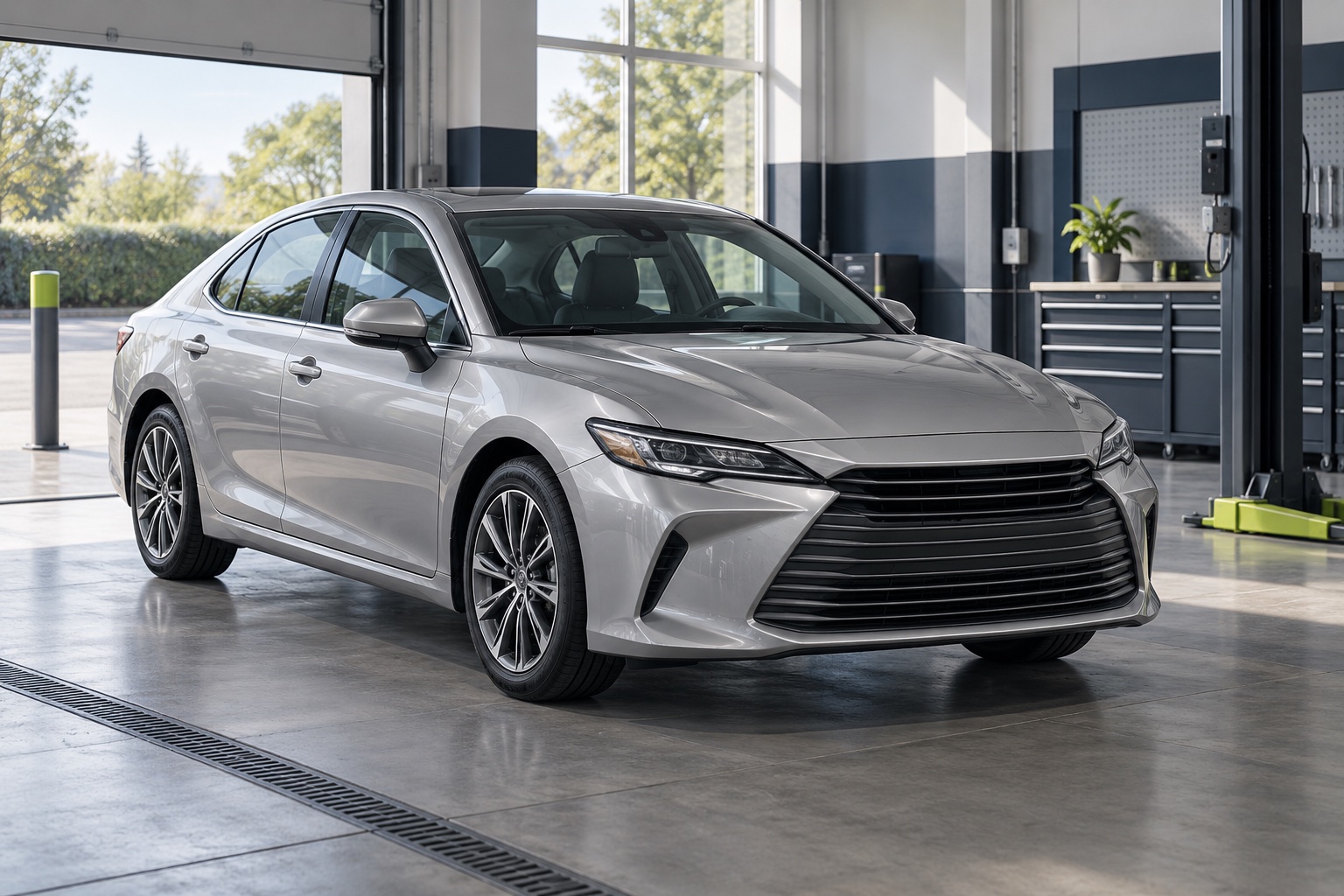
How Long Does a Car Inspection Take?
How long does a car inspection take? Start by identifying the inspection. A registration test, a pre-purchase assessment and an investigation of an intermittent fault have different purposes. Queue time and report preparation also affect when you get the car back.
Read guideDriving Without a Catalytic Converter: What to Know
Driving without a catalytic converter is not simply a question of whether the engine will run. A missing or damaged converter can leave an exhaust-system problem, an emissions fault and a compliance issue. Have the vehicle assessed rather than treating extra noise as the only consequence.
Read guideCar Shakes and Check Engine Light Flashes: Next Steps
If your car shakes and the check engine light flashes, stop safely and arrange assistance. The combination can indicate a serious combustion problem. Do not continue a test drive to see whether the shaking clears, and do not assume a spark plug is the only possible cause.
Read guideDriving on Empty: How Far Can You Really Go?
Driving on empty does not come with a guaranteed reserve distance. The warning threshold, usable fuel and current consumption vary. Treat a low-fuel warning as a reason to refuel, not an invitation to test the last possible kilometre.
Read guideBad Ignition Switch Symptoms: What Else Can Cause Them?
Bad ignition switch symptoms can overlap with battery, wiring, starter and key-recognition faults. A key that will not turn is also a different complaint from a key that turns normally but produces no crank. Describe the sequence before choosing a replacement part.
Read guide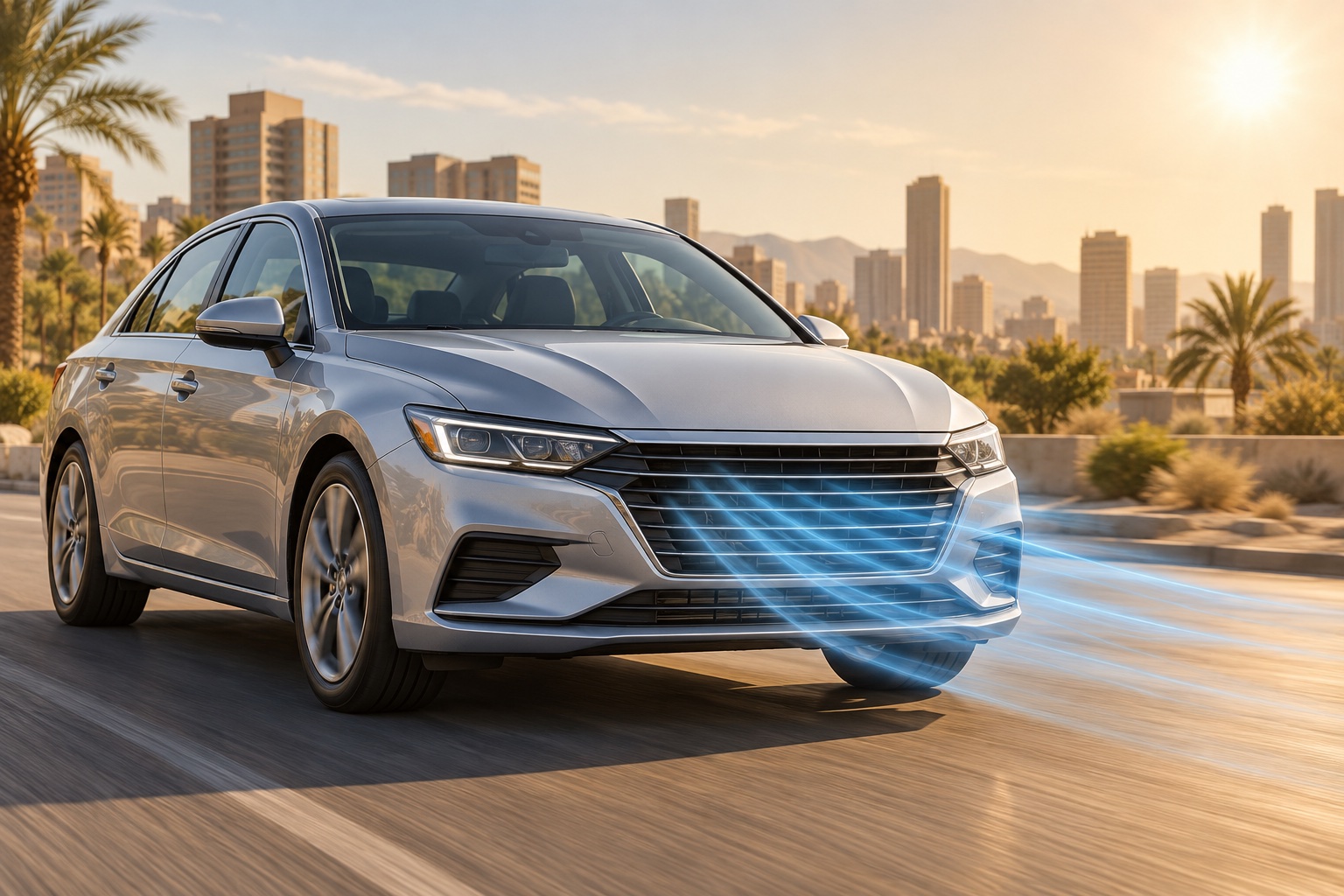
Car AC Only Blows Cold When Driving? Causes and Checks
Your car's AC cools the cabin on an open road, then turns warm at a traffic light. That change is useful diagnostic information. It does not, by itself, tell you to buy a compressor or book another refrigerant refill.
Read guideCar Blows White Smoke: Vapour or a Warning Sign?
If your car blows white smoke, first identify where it comes from and when it appears. Brief vapour at the exhaust is a different observation from persistent smoke, smoke under the bonnet or a plume accompanied by overheating. Colour alone cannot diagnose a head-gasket failure.
Read guideCar Shakes When Braking: What Needs Checking?
If your car shakes when braking, note whether the vibration begins only with brake application or is already present at the same road speed. The distinction helps the workshop plan its inspection. It does not prove that the brake discs are warped.
Read guideCar Thermostat Problems: Symptoms and Diagnosis
Car thermostat problems can affect how an engine reaches and maintains its operating temperature. Slow warm-up and overheating are different patterns, and neither one proves the thermostat is the only fault. The cooling system and temperature information need to be assessed together.
Read guide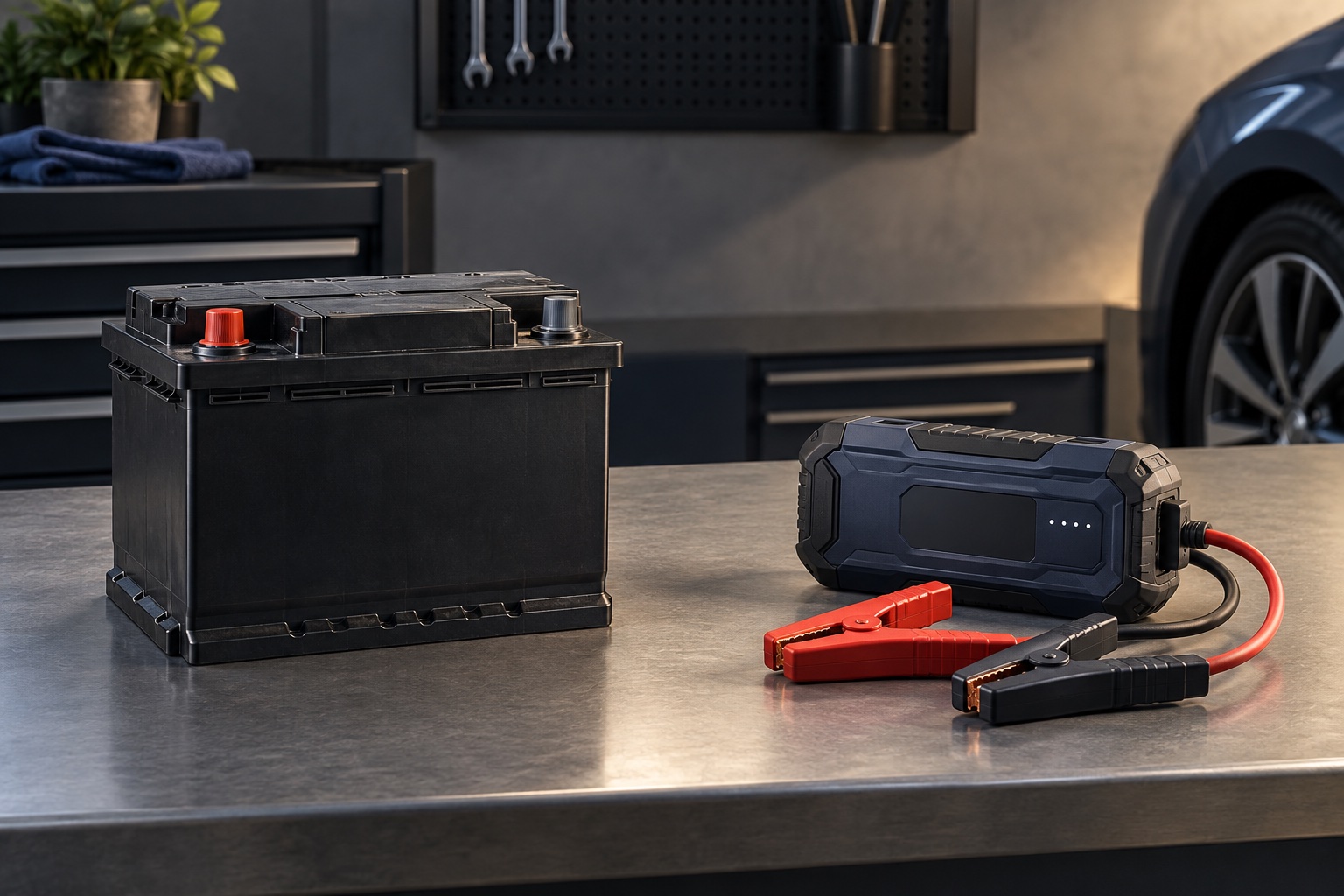
How Long Does It Take to Jump a Car Battery?
How long does it take to jump a car battery? A straightforward jump-start provides starting assistance. Roadside arrival, fault diagnosis and full charging are separate tasks, so the total time depends on the vehicle and the problem.
Read guide
Car Colour Change Cost: What Should a Quote Include?
How much does it cost to change the colour of your car? A useful answer starts with the finish and the scope: a full respray, exterior-only paintwork and a vinyl wrap are different jobs. A price without those details is difficult to compare.
Read guideBad Starter Signs: Clicking, Slow Cranking and No Crank
Bad starter signs can include failure to crank, abnormal cranking or unusual starting noise, but these symptoms also occur with other faults. Before replacing the starter, distinguish what the motor does from what the engine does after it begins turning.
Read guideIgnition Cylinder Replacement Cost: Compare the Scope
Ignition cylinder replacement cost depends on the vehicle and the confirmed repair. Compare a published estimate with its market and exclusions, then ask for a quote that identifies the cylinder, labour and any key or programming work.
Read guideWhat Is a Passive Disabling Device in a Car?
A passive disabling device is a vehicle-security feature that arms automatically and prevents normal starting or operation without the required authorization. A factory immobilizer is a common example. It is different from an alarm that makes noise or a tracker that reports location.
Read guide