Oil on Spark Plug: Location, Causes and Next Checks
Oil on a spark plug can describe different findings: oil in the plug well, oil on the threads after removal or oily deposits at the firing end. The location matters. A photograph of a removed plug alone may not show where the oil started.
- Oil in a plug well and oily deposits at the firing end are different findings. DENSO describes oil fouling as wet, shiny deposits. DENSO diagnostic chart.
- Dry carbon deposits and fuel-wet plugs should be distinguished from oil fouling.
- A wider gap can increase ignition-coil voltage demand. DENSO: plug wear and ignition demand.
- A misfire or fouled plug alone does not establish that an engine rebuild is required.
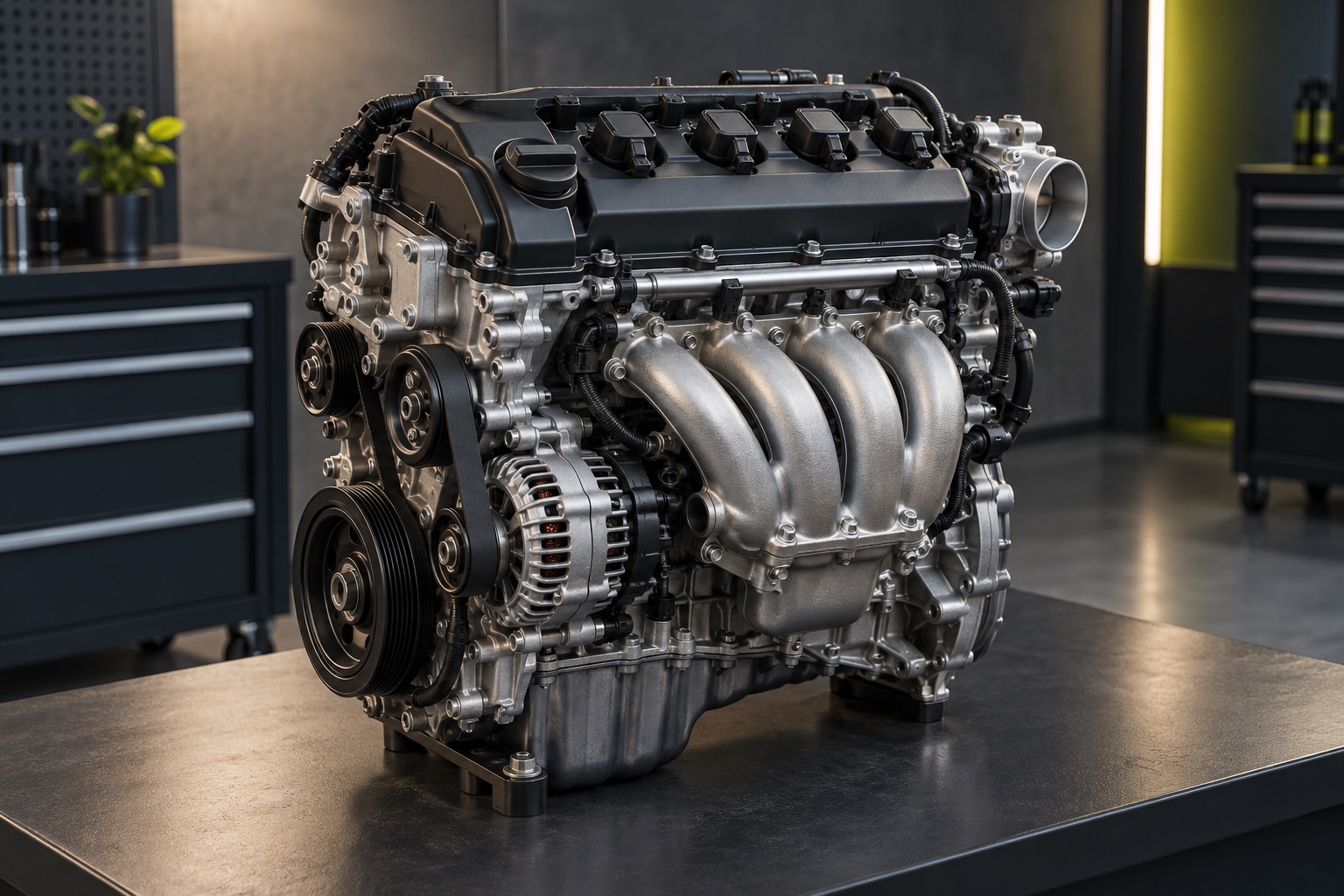
Was the oil in the plug well or on the electrode?
DENSO: spark plug troubleshooting distinguishes oil fouling from other spark-plug appearances. Deposits at the firing end must be interpreted alongside the engine’s condition and operating symptoms. Oil around the upper plug and coil boot presents a different inspection question.
Ask for photographs before removal as well as after. Oil from a well can spread onto the threads during removal, so the final appearance alone can mislead. Record which cylinders were affected and whether the problem followed recent service.
How do oil fouling, fuel fouling and dry carbon deposits look different?
The location and character of the deposits matter more than the word “dirty.” DENSO's spark-plug diagnostic chart describes oil fouling as wet, lustrous deposits on the insulator and electrode. It describes dry, soft black deposits for carbon fouling and a plug wet with gasoline for fuel fouling.
Those descriptions support inspection; they do not make a photograph a complete engine diagnosis. A plug taken from an oil-filled well can acquire oil on its exterior during removal. The technician needs to distinguish that transfer from deposits formed at the firing end inside the combustion chamber.
Ask which part of the plug was affected and whether the finding was recorded before removal. Also ask whether the deposit appeared on one cylinder or across the set. The pattern can guide further checks, while an isolated photograph with no cylinder identification removes useful context. Do not clean the evidence before the inspection or infer that every dark deposit is oil. If you have already changed plugs, keep the old parts labelled for the workshop where practical. Their condition can be discussed alongside symptoms and service history, rather than used alone to authorize a major repair.
When do compression or leakage tests become relevant?
Internal-engine tests become relevant when the inspection suggests oil is entering a combustion chamber or there is a mechanical contribution to poor combustion. They should answer a defined question. A request for an engine rebuild based only on “oil on a spark plug” skips that explanation.
- DENSO's diagnostic chart lists piston-ring, cylinder and valve-guide wear among possible routes associated with oil fouling. Those are alternatives, not a determination that all are damaged. Ask the workshop which evidence makes a particular route plausible for your engine.
- For any compression or cylinder-leakage findings, request the values, test conditions and vehicle specification used for comparison. A verbal result such as “compression is low” does not tell you whether the comparison was valid or how the finding relates to the affected cylinder. Compare the test results with the specification and procedure for the exact engine.
Oil-use records also need context. Separate a measured need to add oil from an assumed leak or a guess based on the dashboard. Note the oil specification and recent service. A history assembled from actual observations is more useful than changing viscosity or adding a treatment before the cause has been established.
Does the correct replacement plug matter if the engine is already misfiring?
Yes. The plug application, heat range, gap and installation instructions need to match the engine. A replacement selected because it physically fits can introduce another variable instead of resolving the original complaint.
DENSO's replacement guidance explains that electrode wear can enlarge the gap and increase the demand on the ignition coil. That is a reason to follow the correct application and maintenance requirements. It is not evidence that every misfire needs a more expensive plug technology.
Ask which plug specification is proposed and why. If a new plug is fitted to restore ignition after fouling, the estimate should still identify what is being done about the oil source. Restoring spark and correcting contamination are separate outcomes that may both be needed. Installation details matter as well. The appropriate tightening procedure and plug design belong to the specific application. Do not use a universal torque or apply lubricant based on an unrelated online example. The technician should follow the engine and plug manufacturer's applicable instructions rather than a general rule for every cylinder head.
How can you judge whether cleaning fixed the symptom or merely removed the evidence?
Cleaning an oily part changes its visible condition. It does not by itself show that the oil source has stopped or that an ignition component remains serviceable. Ask what checks were performed after cleaning and whether an actual repair was required.
For a recurrent misfire, the workshop should compare the original complaint with the post-repair result. Did the engine run normally under the relevant conditions? Did the affected cylinder show further evidence of contamination? Were any codes or symptoms still present? Those questions are more useful than whether the plug looked cleaner at collection.
If the check-engine lamp flashes while the engine shakes, treat it as a reason to stop safely and arrange assessment, not to continue a road test. Record the event and tell the garage whether the symptoms appeared at idle, during acceleration or after the engine warmed up. Do not repeatedly reproduce it to build a longer video.
How can plug identification change the interpretation of the deposits?
The fitted plug’s application and the deposit location both matter. DENSO replacement guidance explains that plug condition and correct replacement specification are relevant to ignition performance. A photograph without the plug’s cylinder location or application details leaves important information missing.
Ask whether the record identifies the engine, cylinder and removed part. If the condition differs across cylinders, that pattern can guide the next inspection. If every plug was placed together without labels, the garage should avoid assigning an isolated deposit to a specific cylinder afterward.
A replacement recommendation should name the appropriate part for the application. Thread reach, electrode design and heat range are not interchangeable descriptions of one universal plug. The parts catalogue and vehicle procedure determine the correct selection; choosing an arbitrary “hotter” plug is not a diagnosis of the oil source.
Keep the ignition work and the leak investigation itemized. Renewing a contaminated plug may be needed to restore operation, while a seal repair or another engine investigation addresses why the contamination happened. The estimate should explain that relationship instead of presenting a more expensive plug as a substitute for finding the cause.
What is the difference between oil on spark plug threads and an oil-fouled firing tip?
Oil on spark plug threads can have arrived during removal through an oily well. An oil-fouled firing tip is a different observation because the electrode sits inside the combustion chamber. DENSO plug-condition chart uses deposit appearance to distinguish oil fouling, fuel wetting and carbon deposits.
Before a plug is removed, oil around its upper body may point the inspection toward the plug-tube sealing area. After removal, oil on the firing end raises a different question about what reached that cylinder during operation. The location guides the investigation; it does not by itself identify a valve seal, piston ring or another failed component.
Cylinder identification matters here. An isolated affected plug and a similar condition across the set are different patterns. Keep the plugs associated with their original cylinders where the inspection procedure allows, and interpret their condition alongside the running complaint and oil-use history.
Can oil around an ignition coil cause misfire symptoms?
DENSO ignition-system inspection includes contamination, cracks and carbon tracking in ignition-system inspection. The coil, its insulating boot and the connector therefore need attention when oil is found in the plug well. Replacing the spark plug alone may leave the contaminated area or leak unchanged.
The electrical fault and the fluid source are separate findings. A damaged boot can require ignition work; a leaking sealing area can require a different repair. Both may belong in the same estimate, but neither should be assumed from the presence of oil on a photographed plug.
Also identify the correct spark plug for the engine. Thread reach, heat range and electrode design are application requirements. A different plug grade is not a treatment for unexplained oil entry.
If the engine shakes and the warning lamp flashes, stop safely and obtain assessment rather than driving to clear deposits. Use the condition already observed as diagnostic information, without deliberately reproducing it.
Oil location and possible repair scope
| Finding | Inspection question | What it does not prove |
|---|---|---|
| Oil in plug well | Is there an external sealing leak? | Internal engine wear |
| Oily firing end | Is oil entering the chamber? | Which internal part failed |
| Wet plug with fuel smell | Is this fuel rather than oil? | Oil-seal failure |
| Contaminated coil boot | Has ignition insulation been affected? | Every coil needs replacement |
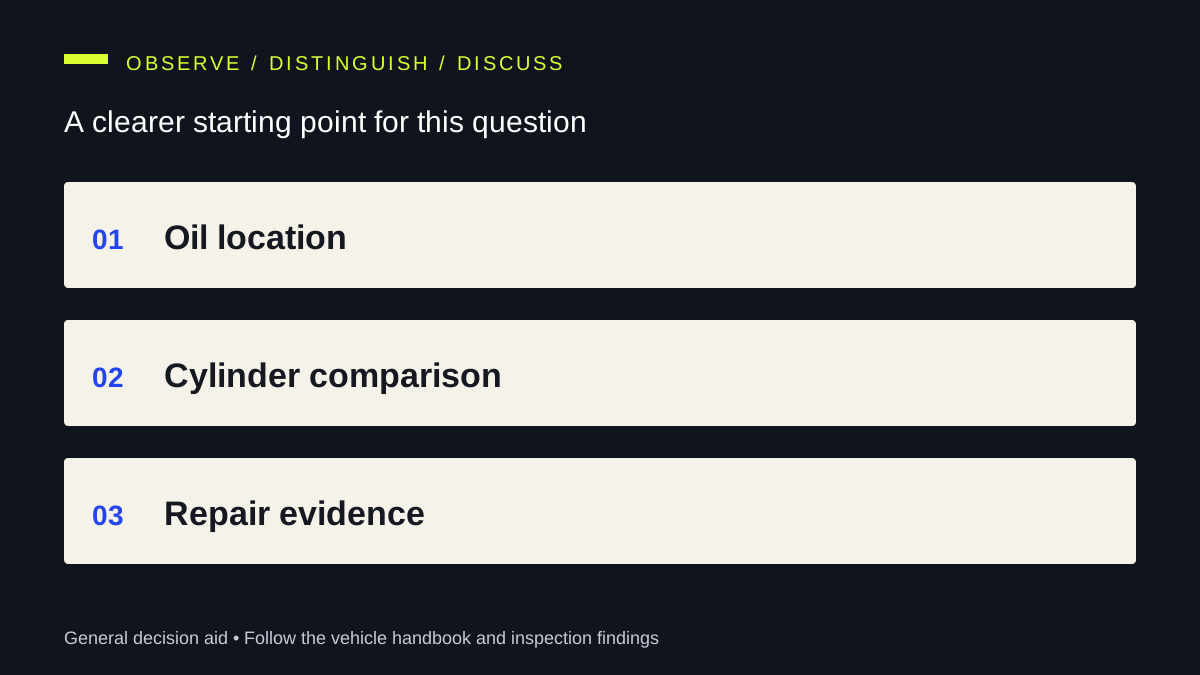
Editorial decision aid. This diagram does not diagnose a vehicle.
Is a valve cover gasket the same as the spark-plug sealing arrangement?
Fel-Pro’s leak-repair explanation describes the valve cover gasket as the seal between the cover and cylinder head. Fel-Pro’s application catalogue also identifies separate spark plug tube seals in applicable sets. The engine’s actual arrangement determines which joints and seals surround its spark plug wells.
That distinction matters when engine oil is found outside the plug. The repairer should identify the leak path and fitted parts before proposing a valve cover, gasket or tube-seal repair. A forum photograph from another engine may show a different assembly. It cannot decide whether your vehicle needs a new valve cover or a separately serviced seal.
Which oil and ignition observations should you report?
- Record oil consumption and recent repairs.
- Ask for the location of oil before plug removal.
- Compare findings across cylinders.
- Request the evidence for the proposed repair.
Discuss your vehicle in Sharjah
Bring the plug-condition findings and oil-use history when discussing ignition or engine repair.
Useful next steps: spark plug replacement service; contact AS Auto Repair Garage Sharjah; Car Shakes & Check Engine Light Flashes: What’s Wrong?.
Frequently asked questions
Can oil on a plug cause misfiring?
Contamination can affect ignition, but testing must connect the finding to the symptom.
Does it always mean piston rings are worn?
No. The location of the oil and the engine tests determine the possible causes.
Can I clean the plug and keep driving?
Cleaning does not establish that the source is resolved or that the plug remains serviceable.
Will thicker oil fix it?
Do not change viscosity as a general fix. Follow the vehicle specification and diagnose the cause.
Should every ignition coil be replaced?
Not solely because one plug is oily. Ask which components failed inspection and why.
Does oil on spark-plug threads mean the engine is burning oil?
Not by itself. Oil in the plug well can contact the threads during removal, while deposits at the firing end have a different location. Record where the oil was first seen and assess the well, plug and surrounding ignition components before drawing an internal-engine conclusion.
Should oily spark plugs and ignition coils always be replaced together?
No universal parts bundle follows from the observation. The plug specification, deposits, coil boot condition and actual ignition fault need assessment. Cleaning the visible oil also leaves the entry route to investigate. Replace components because of the findings, rather than because they were nearby.
Final answer
- Separate oil outside the combustion chamber from deposits at the firing end.
- A misfire does not prove the engine needs rebuilding.
- Cleaning or replacing the plug may not resolve the oil source.