How Much Brake Fluid Does a Car Need?
How much brake fluid does a car need? The answer depends on whether you mean reservoir level, total hydraulic capacity or the quantity used during a fluid exchange. These are different measurements, and no single bottle size is correct for every car.
- There is no universal brake-fluid quantity: reservoir level, full hydraulic capacity and service quantity are different measurements.
- Use the exact vehicle’s fluid specification and service procedure, not another model’s bottle size.
- The described fluid is hygroscopic: it absorbs moisture. Brembo: brake fluid maintenance.
- A falling reservoir level can be associated with friction-component wear. Brembo: brake fluid maintenance.
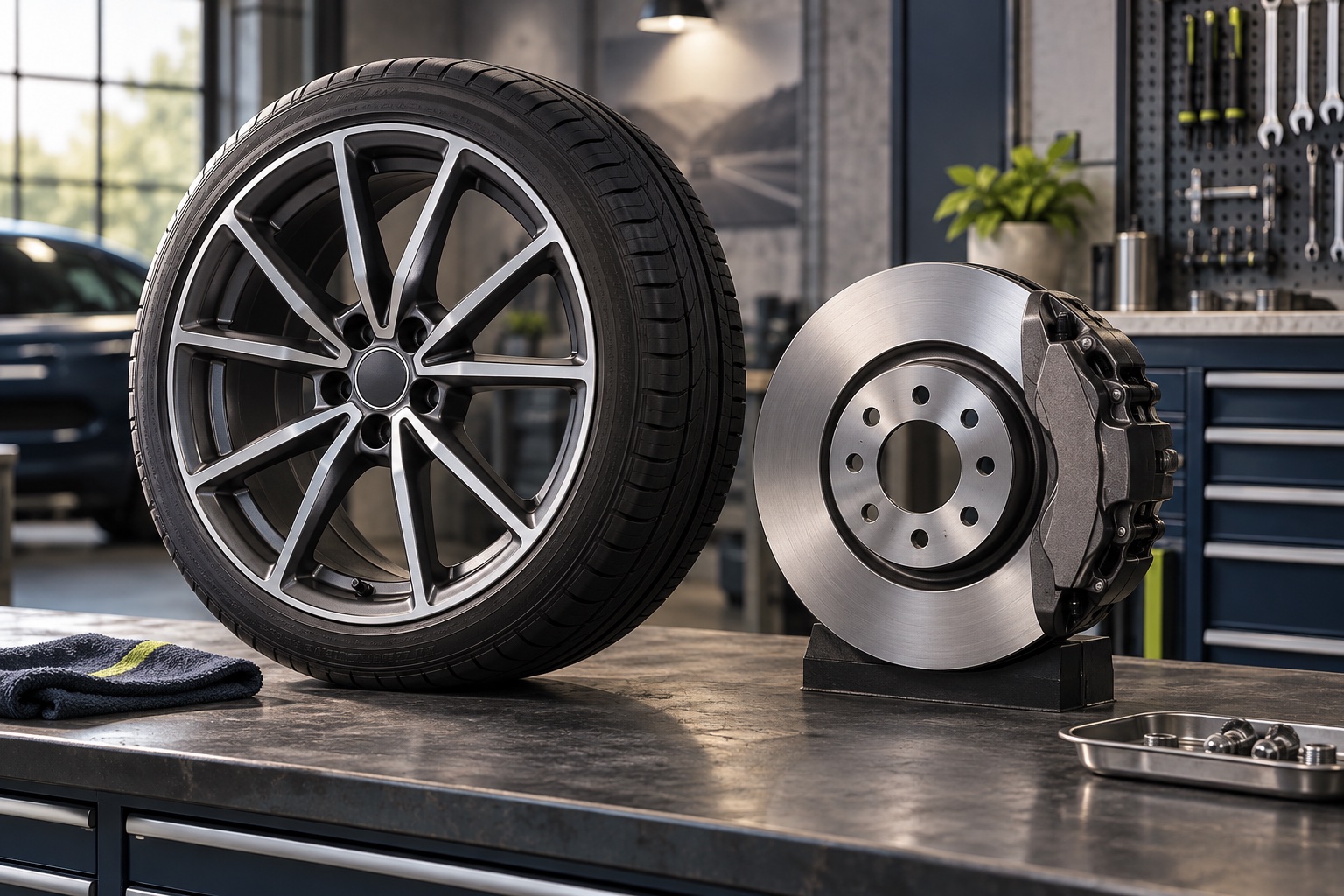
Why are reservoir level, system capacity and service quantity different?
Brembo’s brake-disc maintenance instructions include checking the reservoir level within its marked limits. This is a level check, not the total hydraulic capacity or a fluid-exchange quantity.
The reservoir is only one part of the hydraulic system. Its visible level does not tell you the total amount in the lines, calipers and other components. The amount a workshop uses during a fluid-change procedure can also differ from the quantity retained in the system afterward.
- That is why a bottle-size recommendation from an unrelated car is not a specification for yours. Ask whether a quoted amount refers to a reservoir top-up, the system's nominal capacity or fluid supplied for the agreed bleeding and replacement procedure. These descriptions answer different purchase and maintenance questions.
- The Brembo brake-fluid maintenance guide discusses checking the reservoir level alongside brake-system condition. It specifically warns that a level approaching the minimum can reflect wear in the friction components, rather than simply too little fluid having been added.
Do not treat a visible low level as a request to pour in an arbitrary amount. If it falls unexpectedly, the reason needs investigation. A topped-up reservoir does not establish that the hydraulic system is sound, that there is no leak or that the friction components remain serviceable.
Which brake-fluid specification should you use?
Use the specification for the exact vehicle and braking system. The reservoir marking and handbook are starting points, while the applicable service information defines the procedure. Product branding, bottle colour and an assumed “higher” grade do not replace those requirements.
The fluid's grade and the quantity needed are separate questions. An estimate that lists only litres without the required specification is incomplete for comparing the proposed service. Likewise, naming a fluid specification does not establish how much the procedure will consume.
Ask the workshop to identify the fluid it will use and explain its compatibility with the vehicle's requirement. Do not mix unknown products or fluids merely because they are all labelled for brakes. A product selected for another car or another hydraulic application is not automatically suitable. Keep fluid clean and containers correctly handled. Brembo's guidance emphasizes contamination and minimizing unnecessary exposure of the reservoir. This is a hydraulic safety system, so a driver should not improvise a fluid-change or bleeding procedure from a generic article. Vehicle-specific methods, including any required diagnostic activation, belong with the trained technician carrying out the work.
Why does brake fluid need attention even when the level looks normal?
A normal visible level does not establish that the fluid retains its required properties. Brembo explains that moisture absorption can affect fluid performance and that fluid condition matters during use. A reservoir that looks full therefore cannot replace the vehicle's maintenance requirement or an appropriate condition assessment.
Ask about the specified replacement interval and what the workshop is evaluating. The fluid's appearance alone is not the same as a documented service history. If you have no record of the previous replacement, tell the garage rather than estimating the date from colour.
Keep fluid maintenance separate from other braking complaints. A squeal, vibration, pedal travel change or pulling condition can require different checks. Fluid replacement is not a universal treatment for warped-looking discs, a sticking caliper or a wheel problem.
If the pedal suddenly changes, a warning appears or braking performance deteriorates, stop safely and arrange assistance. Do not continue driving merely because the reservoir is still between its marks. The safety decision depends on the symptom and the applicable warning instructions, not on a single reassuring visual observation.
What should a quote for brake-fluid replacement include?
It should describe the fluid specification, the procedure and the quantity supplied for that work. Ask whether the quote includes the applicable bleeding steps, any vehicle-specific diagnostic procedure and disposal. This makes a service quote comparable without converting the supplied amount into a false system-capacity claim.
- Ask whether the garage has identified a leak or another brake defect before treating the visit as routine fluid maintenance. A brake repair followed by bleeding is a different scope from scheduled fluid replacement on an otherwise sound system. The paperwork should identify which one applies.
- If extra fluid is needed during the procedure, the shop should explain the reason instead of saying the engine size alone determines the amount. Engine size is not a sufficient brake-system specification. The vehicle model and fitted braking arrangement are more useful identifiers for the correct service information.
What if the fluid level drops again after service?
Treat repeated loss as an unresolved condition requiring assessment. Record when you noticed it, the warning shown and any change in pedal feel. Do not repeatedly replenish the reservoir and use the absence of a warning as proof that the problem has disappeared.
Tell the workshop whether brake work was recently performed and provide the invoice. It helps the technician compare the current condition with the work done. The timing may guide the inspection, but it does not automatically establish the cause or justify replacing unrelated parts.
Ask what measurements or inspection findings support the proposed repair. An estimate should distinguish leakage, friction-component wear and other hydraulic concerns where relevant. The Brembo explanation of reservoir level and wear is a reason to investigate the system, not a reason to dismiss every level change as normal. The answer to “how much fluid does my car need?” is therefore a vehicle-specific specification or procedure, depending on your purpose. Identify that purpose first. For an active warning or braking change, the priority is a safe assessment; buying a larger bottle cannot resolve an unidentified fault.
How does brake fluid transmit force, and why do air or vapour matter?
Brake fluid transfers hydraulic force through the fitted brake system. Brembo brake-fluid explanation explains why boiling behaviour and viscosity matter alongside the fluid’s ability to transmit pressure. Vapour bubbles change how the hydraulic system responds.
This is why filling the reservoir to its mark is not a complete brake-fluid service. The visible level does not describe the condition of fluid throughout the circuit or show whether a relevant repair and bleeding procedure was completed.
A sinking pedal, an unusual soft pedal or a braking warning needs assessment of the actual system. Do not try to diagnose it by adding a guessed volume of fluid. An owner’s description helps identify the complaint; the hydraulic checks and any bleeding belong to the appropriate qualified technician.
Does a higher DOT number tell you how many litres of brake fluid to buy?
No. DOT labels describe fluid requirements, not the vehicle’s capacity. Brembo brake-fluid explanation discusses commonly used glycol-based grades and a separate mineral-fluid category. Its warning against mixing incompatible categories is another reason to identify the specified product before discussing quantity.
For a quotation, separate the approved fluid specification, the intended operation and the amount supplied for that procedure. Reservoir topping-up, fluid replacement after hydraulic work and a scheduled exchange can use different quantities.
A larger container is not a guarantee that the right product will be used, and a named grade does not prove compatibility with every vehicle. The handbook and service information for the fitted system determine the requirement.
Ask whether the quote includes the relevant service procedure and any diagnosis of fluid loss. If the level fell unexpectedly, replenishing it without identifying the reason leaves that complaint unresolved. The completion check must address the braking condition as well as the level.
Fluid level, capacity and service quantity
| Question | Relevant information | Common mistake |
|---|---|---|
| Is the level correct? | Reservoir markings and handbook | Filling to the cap |
| What is total capacity? | Vehicle technical data | Guessing from reservoir size |
| How much for an exchange? | Specified service procedure | Calling every litre system capacity |
| Why is fluid low? | Brake inspection findings | Repeated top-ups without diagnosis |
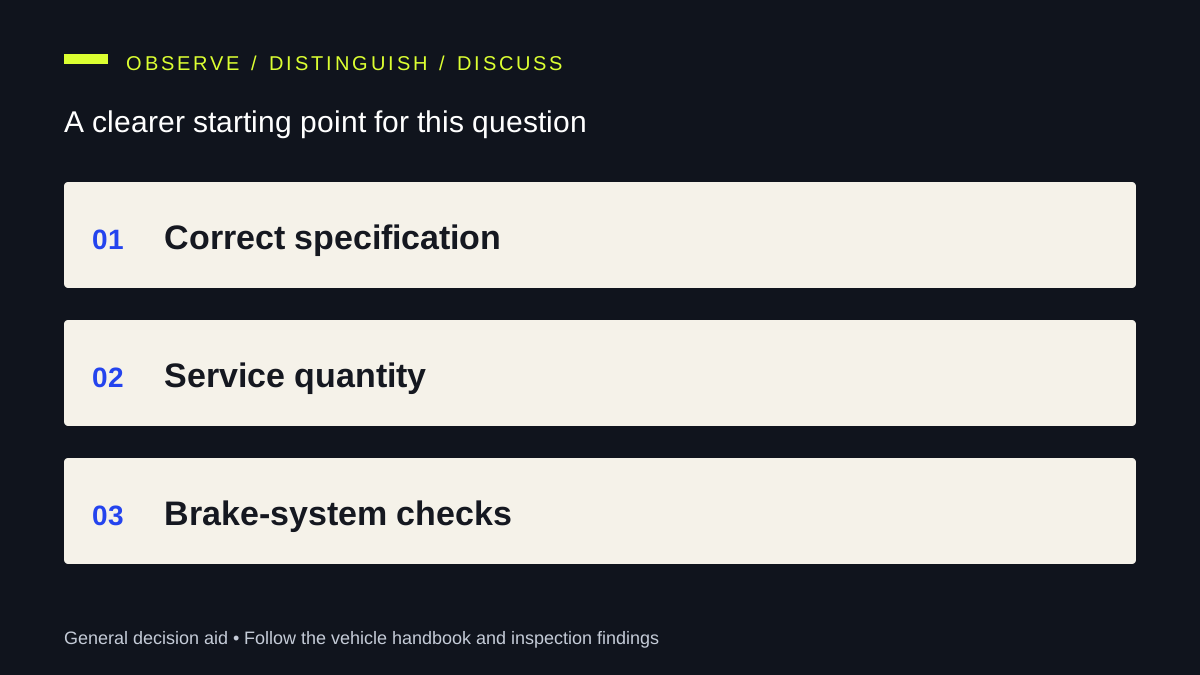
Editorial decision aid. This diagram does not diagnose a vehicle.
Does a brake fluid flush specify both the fluid grade and service quantity?
It should. A brake fluid change describes an operation, while the specified grade identifies the material used. The phrase “flush” alone does not identify either the vehicle’s total hydraulic capacity or the quantity the procedure will consume. Confirm the applicable method and included fluid before comparing estimates.
Brembo’s fluid guidance explains the differences between fluid families and their operating properties. Labels such as DOT 3 and DOT 4 are not container quantities or permission to use whichever bottle is available. Follow the vehicle specification; changing old fluid cannot repair a leaking brake line or another hydraulic defect.
What should you confirm before brake-fluid service?
- Provide the vehicle and engine details.
- Confirm the fluid specification.
- Ask whether the quote covers a full exchange or another operation.
- Request the findings if the level was low.
Discuss your vehicle in Sharjah
Ask the garage to identify the fluid specification and whether the job is scheduled replacement, a repair or investigation of a falling level.
Useful next steps: brake repair service; contact AS Auto Repair Garage Sharjah; Car Shakes When Braking at High Speeds? Causes and Solutions.
Frequently asked questions
Is one litre always enough?
No. The amount depends on the vehicle and the service procedure.
Can I mix any DOT fluids?
Do not assume compatibility. Follow the exact manufacturer specification.
Does dark fluid prove a leak?
Colour does not establish the cause of a low level or replace an inspection.
Should I top up whenever it falls?
A changing level needs interpretation. Repeated topping up can hide an unresolved fault.
Can I drive with the brake warning on?
Stop safely and follow the handbook. If braking is affected, arrange assistance rather than driving to test it.
How many bottles of brake fluid do I need?
Use the manufacturer’s specified grade and the actual service procedure. Reservoir level, total system capacity and the fluid consumed during bleeding or replacement are different quantities. Ask the workshop for a vehicle-specific service quantity rather than buying from a universal bottle count.
Can I just top up low brake fluid?
A low level needs its cause assessed, especially with a leak, changed pedal feel or warning. The permitted fluid and filling method come from the vehicle instructions. Adding fluid does not repair a hydraulic leak or establish that the brakes are fit for normal use.
Final answer
- Use the vehicle-specific fluid specification and procedure.
- Do not fill above the reservoir’s permitted level.
- A falling level or brake warning needs investigation, not repeated topping up.