What Is a Passive Disabling Device in a Car?
A passive disabling device is a vehicle-security feature that arms automatically and prevents normal starting or operation without the required authorization. A factory immobilizer is a common example. It is different from an alarm that makes noise or a tracker that reports location.
- A passive disabling device automatically arms to prevent unauthorized starting; a coded-key immobilizer is a manufacturer example.
- Ford’s passive anti-theft system uses correctly coded key authorization. Ford owner manual.
- An immobilizer, an audible alarm and a tracker have different functions.
- The device name alone does not establish an insurer’s discount or coverage; use the insurer’s exact wording.
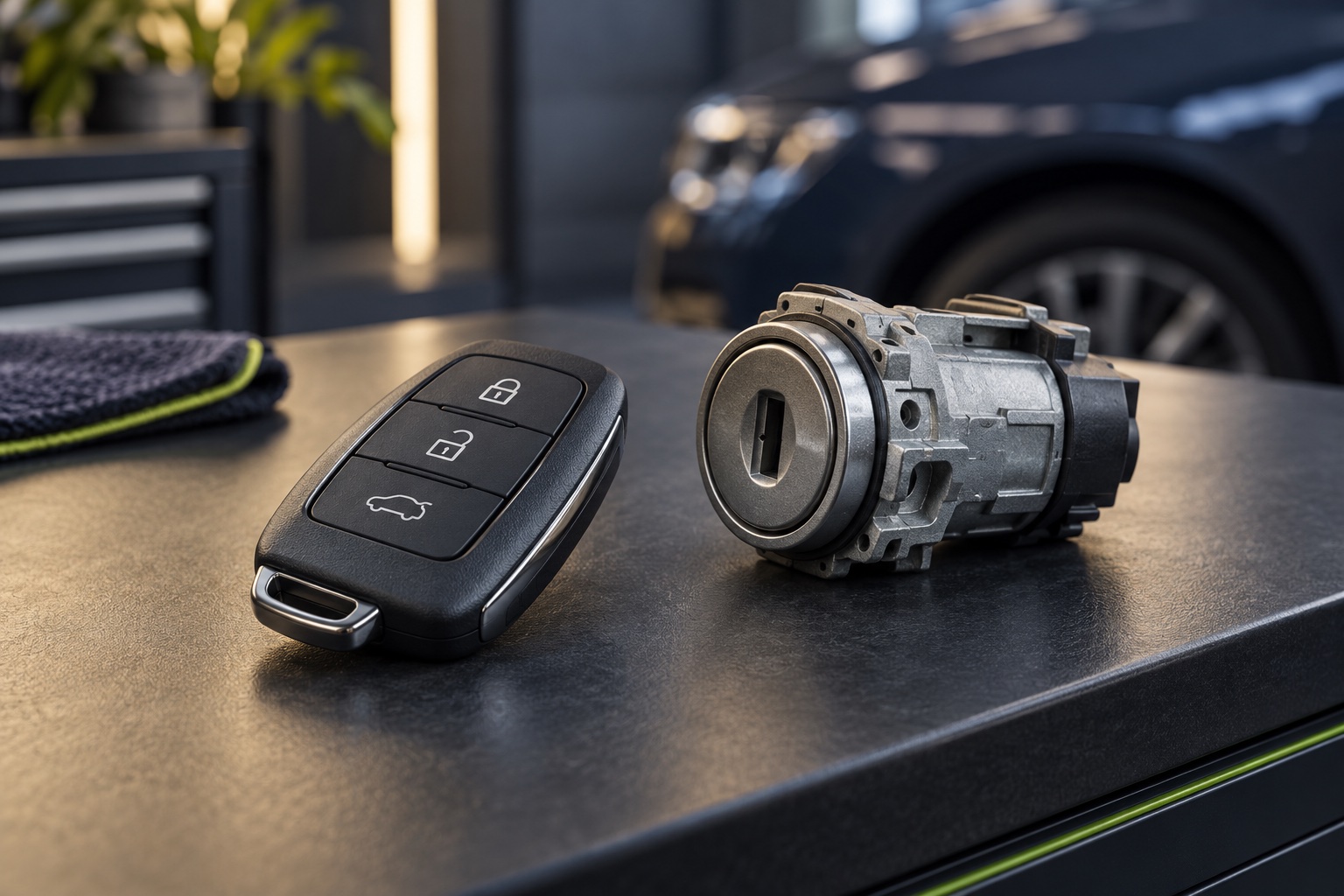
Does a key that fits the cylinder prove that starting is authorized?
No. Mechanical fit and electronic authorization can be separate functions. Ford's coded-key example requires the appropriate recognized key for engine starting, which is different from the blade's ability to operate a lock.
This explains why a new cut blade or a replacement cylinder can involve a separate discussion about the vehicle's existing authorization arrangement. It does not justify a universal statement that every key job needs programming. The actual key type, retained components and repair procedure determine that.
If the engine will not start, report the exact security message and whether the engine cranks. Do not assume that every no-start is an immobilizer fault. The DENSO starting-system guide describes battery and circuit checks that can be relevant to a separate no-crank complaint.
Use authorized service procedures and provide the proof of ownership required by the provider's normal process. A failed or unrecognized key should lead to a vehicle-specific repair discussion that preserves the intended security, rather than an improvised bypass.
Which passive devices should you identify for car insurance?
Confirm the insurer's current definition and the documentation it requires. A manufacturer's term and an insurance form's classification may need clarification. Do not assume that the word “passive” alone qualifies every device for a discount.
- Ask the insurer whether the factory equipment, an aftermarket installation or a certificate is relevant to its question. Provide the actual model and documented system rather than guessing. Discount eligibility and any saving must be confirmed with the insurer.
- For aftermarket equipment, identify the provider, installed product and its documented functions. A tracker subscription, an alarm installation and a start-disabling function should not be conflated on a form. If the device is no longer operational, the paperwork should reflect that condition rather than its original advertising.
How should a repair preserve the security system's intended functions?
The repair should identify the affected function and follow the vehicle or device procedure. A problem recognizing a key differs from an alarm sounding unexpectedly, and a remote-locking issue differs from a tracking-service concern. Ask which one the proposed work addresses.
Confirm which keys, remotes or components will remain in use after the work and which must be registered or otherwise handled through the approved procedure. Do not assume the process for another vehicle applies to yours. The garage should explain any associated initialization or programming in terms of the actual system.
Does a weak remote battery mean the immobilizer has stopped protecting the car?
Remote locking and authorization for starting need to be identified as separate functions. A remote that no longer locks a door does not establish the state of every security function. The exact key design and the vehicle’s documented procedure determine how a key is recognised and which actions require its battery.
Ford’s passive-system disarming instructions describes starting authorization through a correctly coded key for its covered vehicle. It also identifies possible interference from other objects around the key. That is a model-specific explanation, not proof that every remote-key battery controls immobilizer authorization.
For a repair visit, describe which function failed: remote locking, mechanical entry, key recognition or engine starting. Bring the available keys and any aftermarket documentation. Avoid trying a generic sequence from another model to change the security system’s state.
If the handbook provides a procedure for a key that is not being detected, use only the instructions for that exact vehicle. The procedure does not authorize dismantling or bypassing a security function. A persistent message or failure to recognise an authorised key needs the appropriate qualified provider.
What should an aftermarket security product’s documentation actually identify?
The product record should name the installed device, its purpose and the provider responsible for support. A sales description saying “advanced security” does not establish whether the installation includes an alarm, a starting restriction, location reporting or a combination of functions.
For a tracker, identify whether location reporting depends on a subscription, account or communications service described by the supplier. For an alarm, identify the monitoring functions and the documented controls. For a start-disabling feature, obtain the applicable authorised-use and service documentation. Do not infer the full specification from a fob, a sticker or the appearance of an app.
If the car is being purchased used, ask for the transfer requirements and current service status from the actual provider. An old installation invoice can identify equipment that was originally fitted, but does not prove that its current subscription or every function remains active.
How can an owner keep a useful security-service record without exposing sensitive information?
Record the provider, the installed product, the service performed and the affected key or function in the normal service documentation. Keep any security codes and account credentials protected. A public review or an article photograph should not reveal information used to access the vehicle or its connected services.
When a key is lost, follow the manufacturer’s or qualified provider’s process for the keys that remain and for replacement authorization. Ask what was done about the missing key under the applicable procedure. Cutting another mechanical blade is a different operation from addressing a key that should no longer be authorised to start the vehicle.
This record also supports a later ownership transfer or repair visit: it identifies what is fitted and what was changed while keeping access information private. The useful evidence is the documented system and its tested functions, rather than a claim that the vehicle is impossible to steal.
How does a passive disabling device differ from an active disabling device?
A passive disabling device applies its designed starting restriction without a separate deliberate activation step of the kind required by an active device. The exact behaviour belongs to the installed system. It should not be inferred from a remote-locking button or a siren sounding.
The Ford coded-key handbook example describes an immobilizer that uses a correctly coded key for starting authorization. That is an example of an anti-theft function, not a description of every alarm system or aftermarket installation.
Identify the vehicle and the device before comparing categories. A system can combine automatic authorization checks with manually operated locking or alarm settings. Calling one feature passive does not describe every function fitted to the car.
Do an immobilizer, car alarm and tracker provide the same protection?
No. An immobilizer restricts starting under its designed authorization conditions. A car alarm monitors specified triggers and gives an alert. A tracker provides the location-related function described by its product and service. One installed device may combine features, but the features remain different.
For insurance companies or another provider asking about an anti-theft device, use the manufacturer or installer documentation. Identify the actual product and fitted function rather than choosing a category because its name sounds familiar. Any acceptance or discount depends on the provider’s current criteria and is not promised by this guide.
For a key-recognition complaint, follow the vehicle handbook. The Ford coded-key handbook example explains why a correctly coded key and interference around the key are relevant to its system. A key fob that does not unlock the door and a key that is not accepted for starting need separate descriptions.
Use the authorized repair or replacement-key process with the required ownership checks. Do not bypass a disabling device to test whether the rest of the car runs. The aim of service is restored authorized operation and the documented protection intended for that installation.
Immobilizers, alarms, trackers and locks
| Device | Primary function | Does not automatically provide |
|---|---|---|
| Immobilizer | Restrict unauthorized starting | Location tracking |
| Alarm | Detect and signal intrusion | Starting prevention |
| Tracker | Report vehicle location | A complete immobilizer |
| Mechanical lock | Physically restrict access or movement | Electronic authorization |
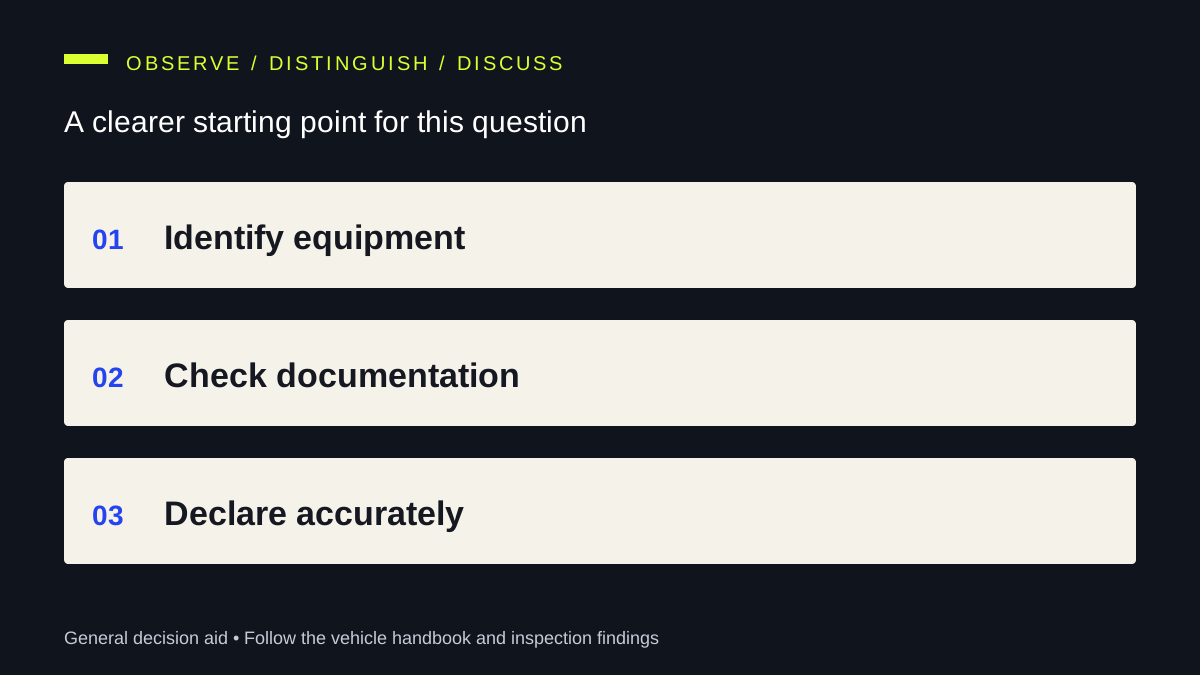
Editorial decision aid. This diagram does not diagnose a vehicle.
Which documents identify the fitted security device?
- Find the security section of the vehicle handbook.
- Check model and market equipment details.
- Keep aftermarket installation records.
- Confirm the insurer’s category definitions before declaring equipment.
Discuss your vehicle in Sharjah
For key recognition or security repair, bring the vehicle documentation, available keys and required proof of ownership.
Useful next steps: car key replacement service; contact AS Auto Repair Garage Sharjah; Car Alarm Keeps Going Off Randomly? Causes & Troubleshooting.
Frequently asked questions
Is a car alarm a passive disabling device?
Not necessarily. Alerting to intrusion and preventing starting are different functions.
Is a tracker an immobilizer?
Not automatically. Some systems combine features, but the installed specification must confirm them.
Does keyless entry prove an immobilizer is fitted?
Do not rely on entry method alone. Check the vehicle equipment documentation.
Will this guarantee an insurance discount?
No. Eligibility and terms depend on the insurer and documented equipment.
What if I lose every key?
Use the manufacturer or a qualified vehicle-security provider and follow ownership-verification requirements.
What is the difference between a passive and active disabling device?
A passive device applies its designed starting restriction without a separate deliberate activation step of the kind needed by an active device. Check the installed product’s instructions: a vehicle can combine automatic authorization with manually operated alarm or locking functions.
Do insurance companies accept every passive anti-theft device?
No acceptance or discount is promised here. The insurer’s current criteria and documentation requirements decide the result. Identify the actual vehicle equipment or installed product and its function, rather than selecting an insurance category from a generic description of car security.
Final answer
- Passive refers to automatic arming, not to a device doing nothing.
- An immobilizer, alarm and tracker serve different purposes.
- A flashing security indicator does not identify every installed feature.