Engine Repair in Sharjah
Engine repair should address a measured or observed fault, such as oil loss, abnormal running, overheating or internal damage. The repair can range from an external component to internal work; the symptom alone does not define an overhaul. Book engine repair at AS Auto Repair Garage Sharjah in Industrial Area 10.
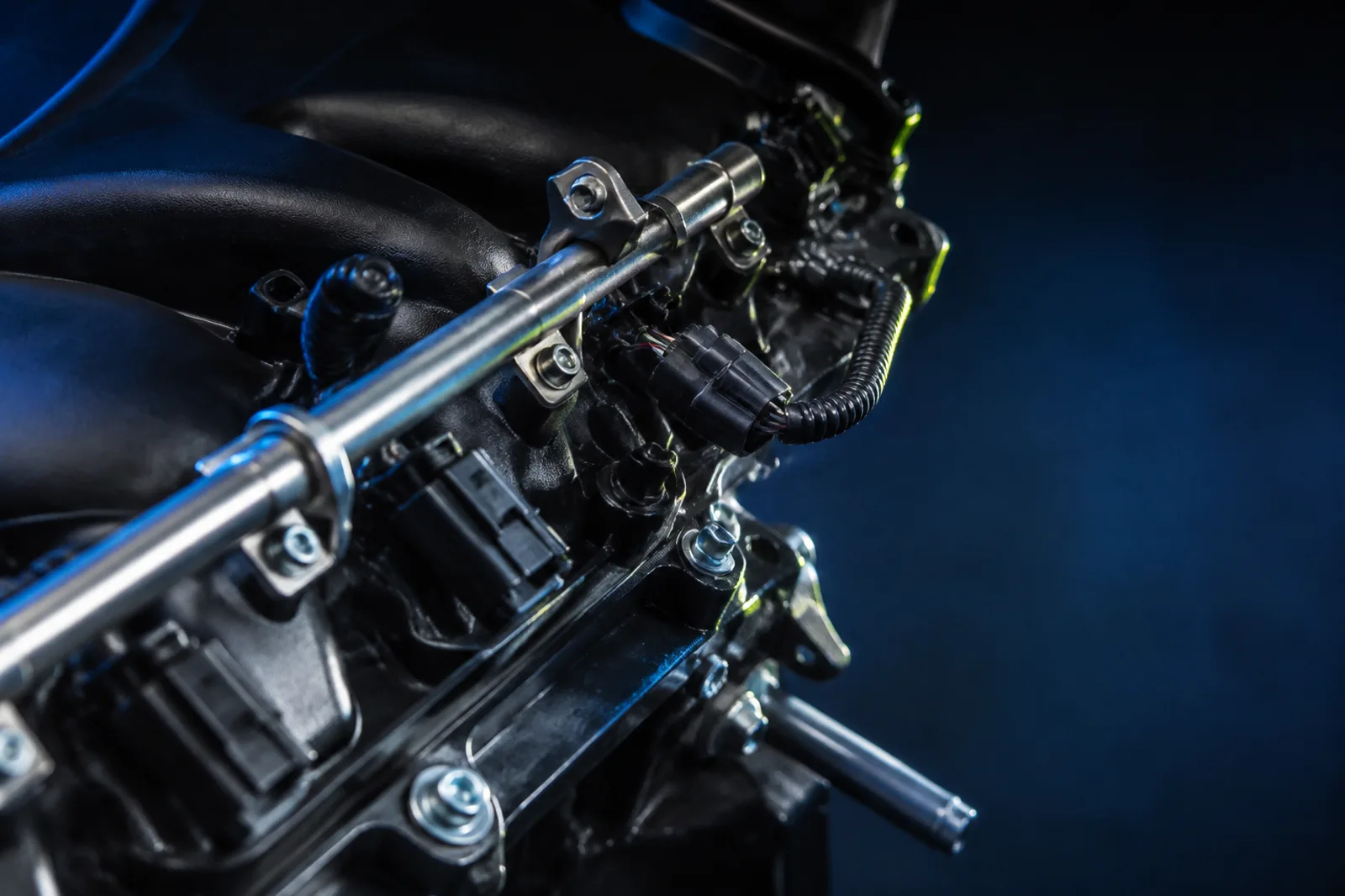
What evidence determines the engine repair?
Running and warnings
Separate rough running, smoke, noise, overheating and pressure warnings.
Leaks and mechanical condition
Use the relevant inspection and testing to identify the affected area.
Repair proposal
Distinguish an external repair from internal work and explain what findings support it.
Before booking engine repair
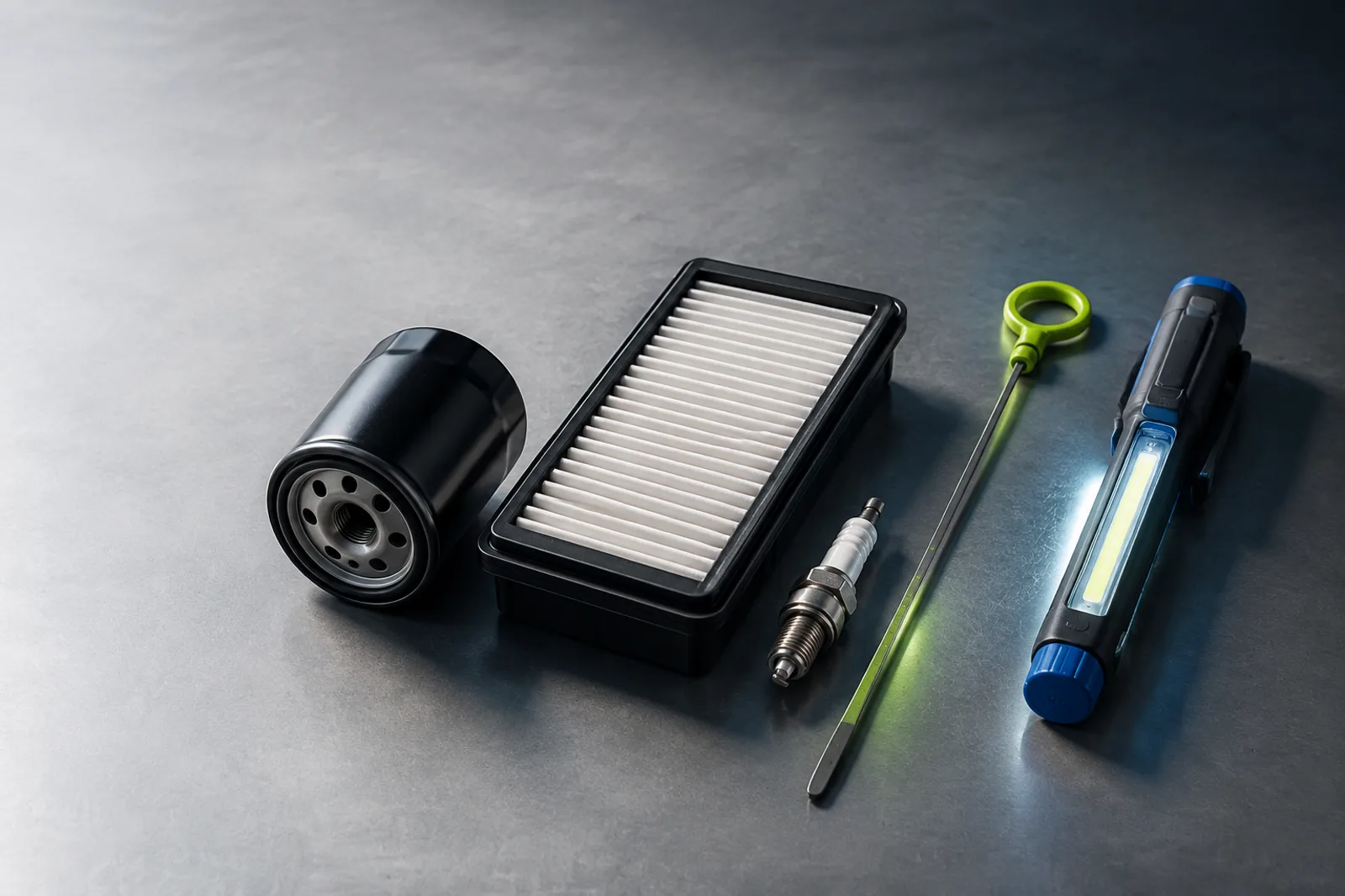
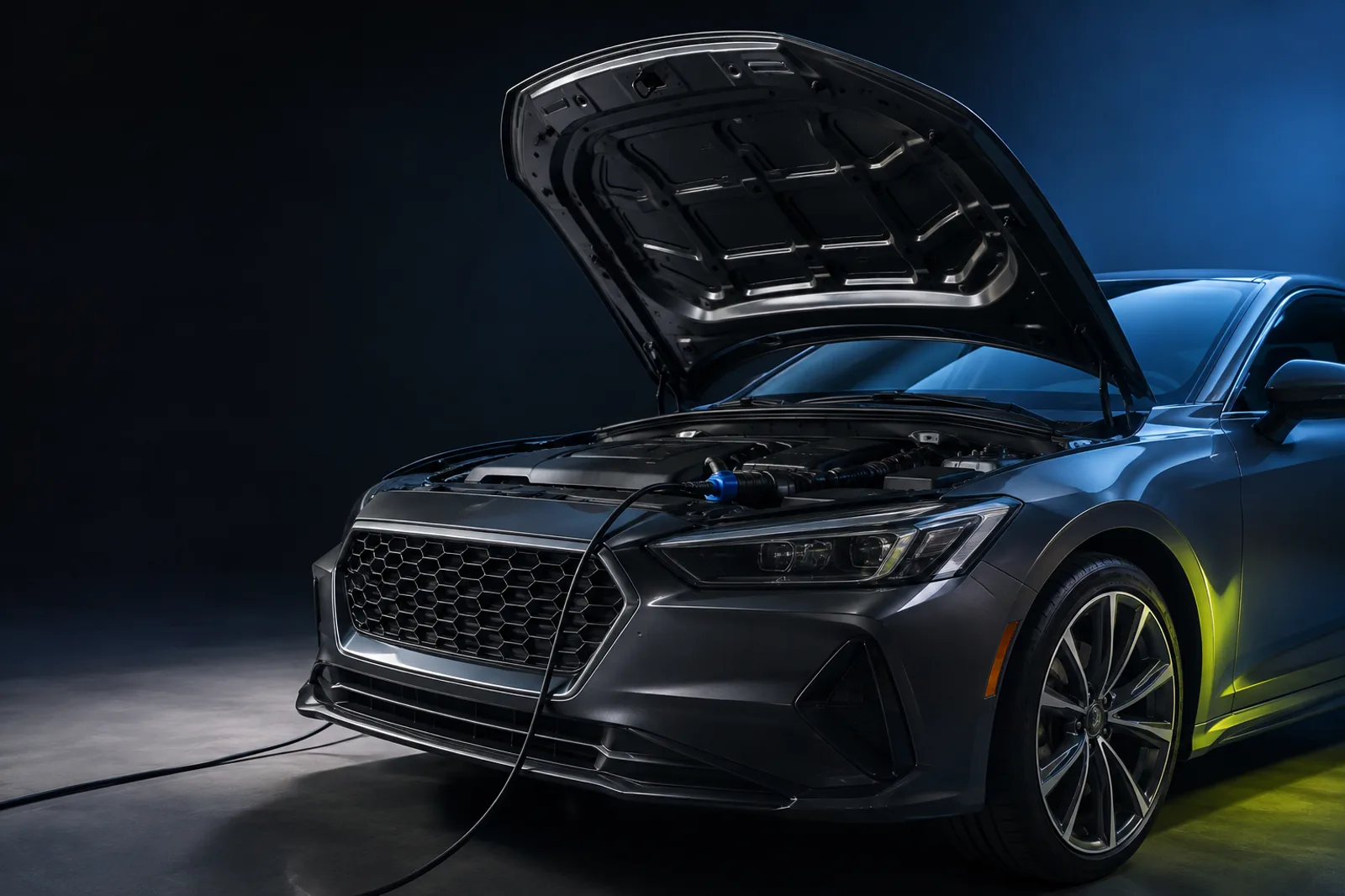
Smoke or warning
Record colour, location, warning message and operating conditions.
Fluid and work history
Bring information about oil or coolant use and recent repairs.
Work and parts
What engine repair can include
External components
Seals, ignition, cooling and connected systems can require targeted repair.
Internal assessment
Compression or other mechanical checks may be needed for the complaint.
Repair or replacement
Compare the identified damage, available parts and required work before deciding.
What affects the repair and estimate?
Extent of damage
An external leak differs from an internal engine defect.
Access and associated work
Parts, removal and related faults affect the estimate.
Service questions
Exact work is defined by the vehicle specification and inspection findings.
Does white exhaust always mean a failed head gasket?
No. Conditions and other evidence need to be assessed before choosing an internal repair.
Will engine repair guarantee better fuel economy?
A repair should address the confirmed fault. A general fuel-saving promise cannot replace diagnosis and a relevant result check.
Book engine repair
Call +971 56 111 4925 for engine repair in Industrial Area 10, Sharjah. Give the vehicle details and agree the appointment.
Arrange a service visit