Wheel Alignment & Balancing in Sharjah
Wheel alignment adjusts geometry; balancing addresses rotating imbalance. Pulling, an off-centre steering wheel, uneven tyre wear and speed-related vibration need to be separated before choosing one or both services. Book wheel alignment & balancing at AS Auto Repair Garage Sharjah in Industrial Area 10.
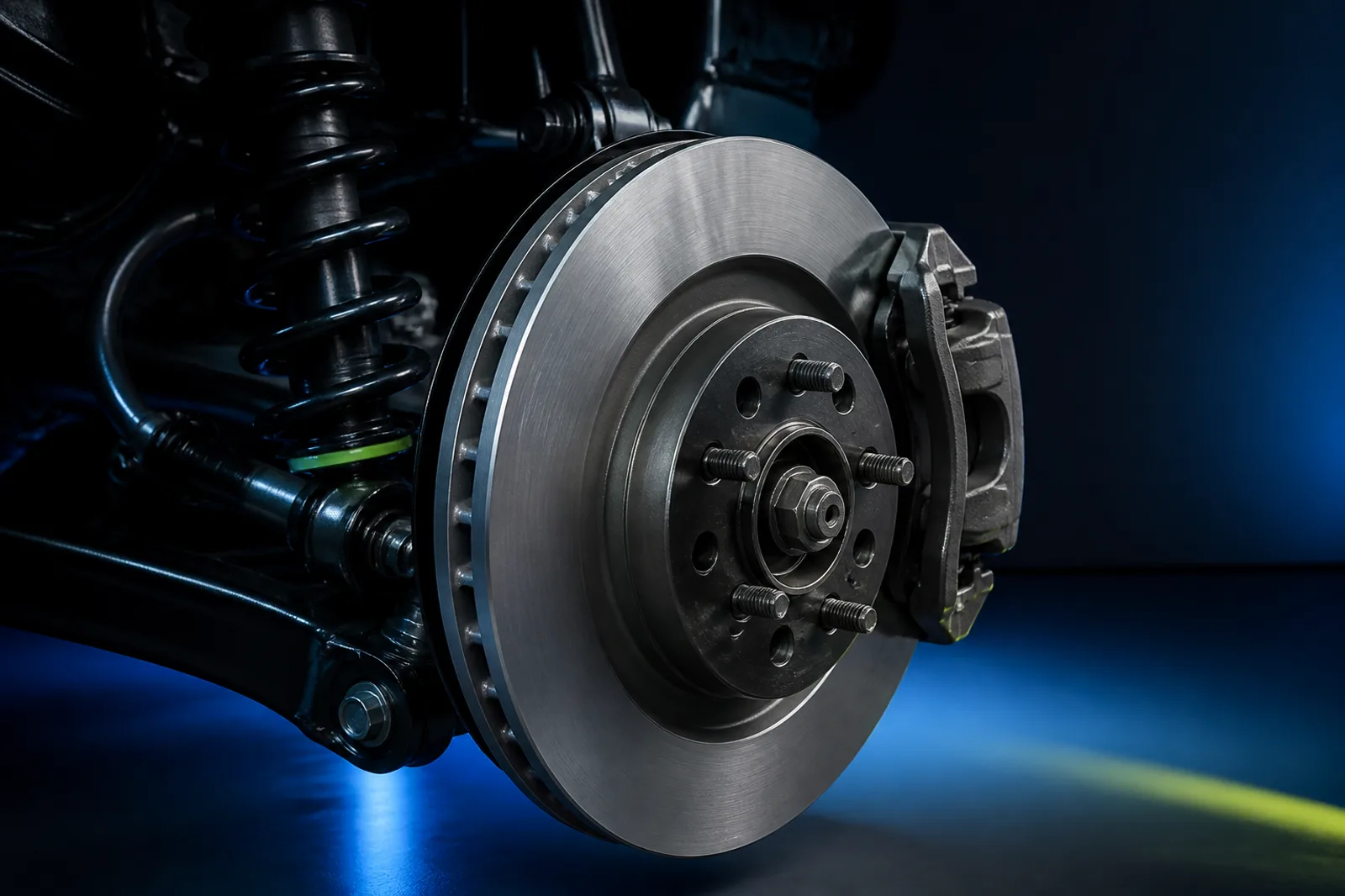
Alignment, balance or another running-gear fault?
Complaint
Describe pulling, steering-wheel position, tyre wear and the speed at which vibration appears.
Tyres and suspension
Check condition that can prevent a useful adjustment.
Measurements
Use the applicable alignment settings or balancing assessment for the identified wheel arrangement.
Before booking wheel alignment & balancing

Driving behaviour
Note whether the complaint is present while cruising or only under braking.
Recent changes
Mention impacts, tyre replacement and suspension repairs.
Work and parts
What wheel alignment & balancing can include
Geometry adjustment
Alignment concerns wheel angles relative to the vehicle requirements.
Wheel balancing
Balancing concerns rotating imbalance, not suspension geometry.
Underlying wear
A worn joint, damaged tyre or bent wheel requires its own decision.
What affects the repair and estimate?
Adjustability
The fitted suspension determines what can be adjusted.
Condition before adjustment
Wear and damage can prevent the intended result.
Service questions
Exact work is defined by the vehicle specification and inspection findings.
Does balancing correct pulling to one side?
Not automatically. Pulling can involve geometry, tyre condition or other running-gear faults.
Should alignment follow suspension work?
Check the applicable procedure when the repaired components affect geometry.
Book wheel alignment & balancing
Call +971 56 111 4925 for wheel alignment & balancing in Industrial Area 10, Sharjah. Give the vehicle details and agree the appointment.
Arrange a service visit